Decades in the Making
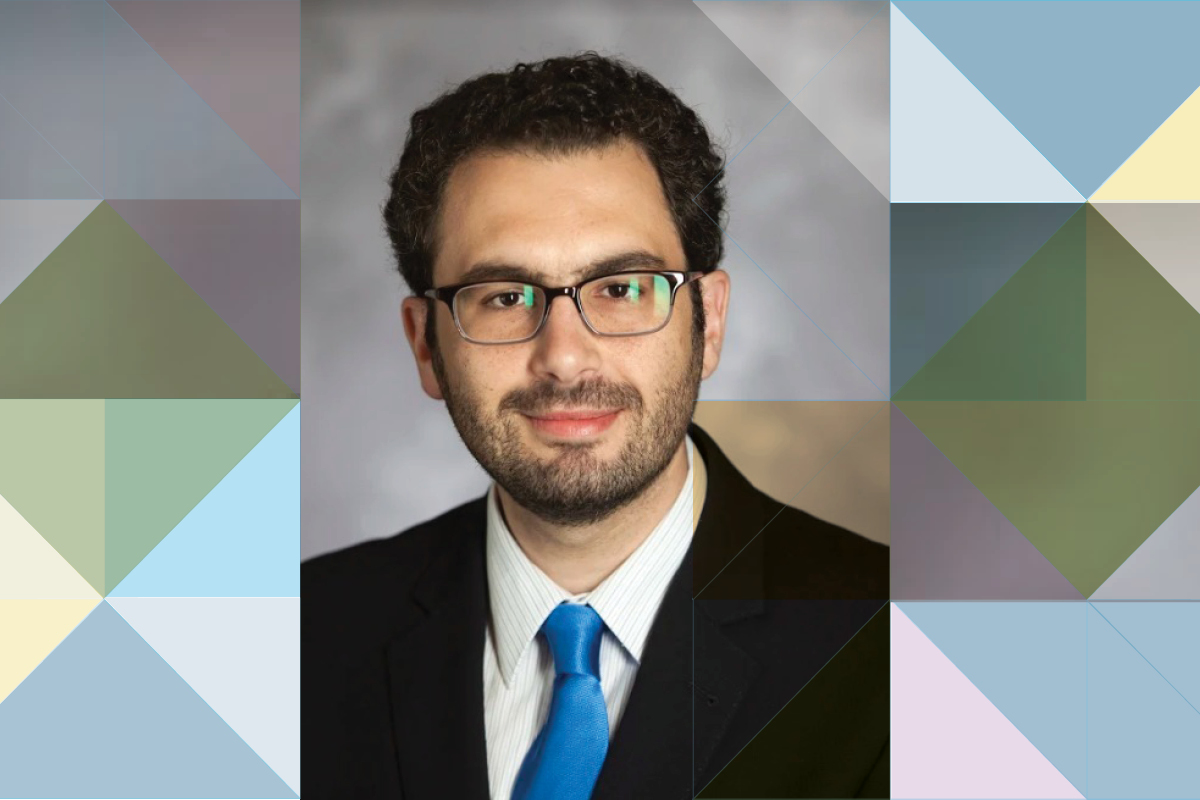
Guest editor Kimberly Eck, senior associate VP for Research, says universities didn’t become the core of the science, technology, and innovation ecosystem accidentally.

Guest editor Kimberly Eck, senior associate VP for Research, says universities didn’t become the core of the science, technology, and innovation ecosystem accidentally.

Pioneering immunologist Max Cooper’s groundbreaking discovery of B cells and T cells revolutionized the field, inspiring and informing research at Emory and around the world.

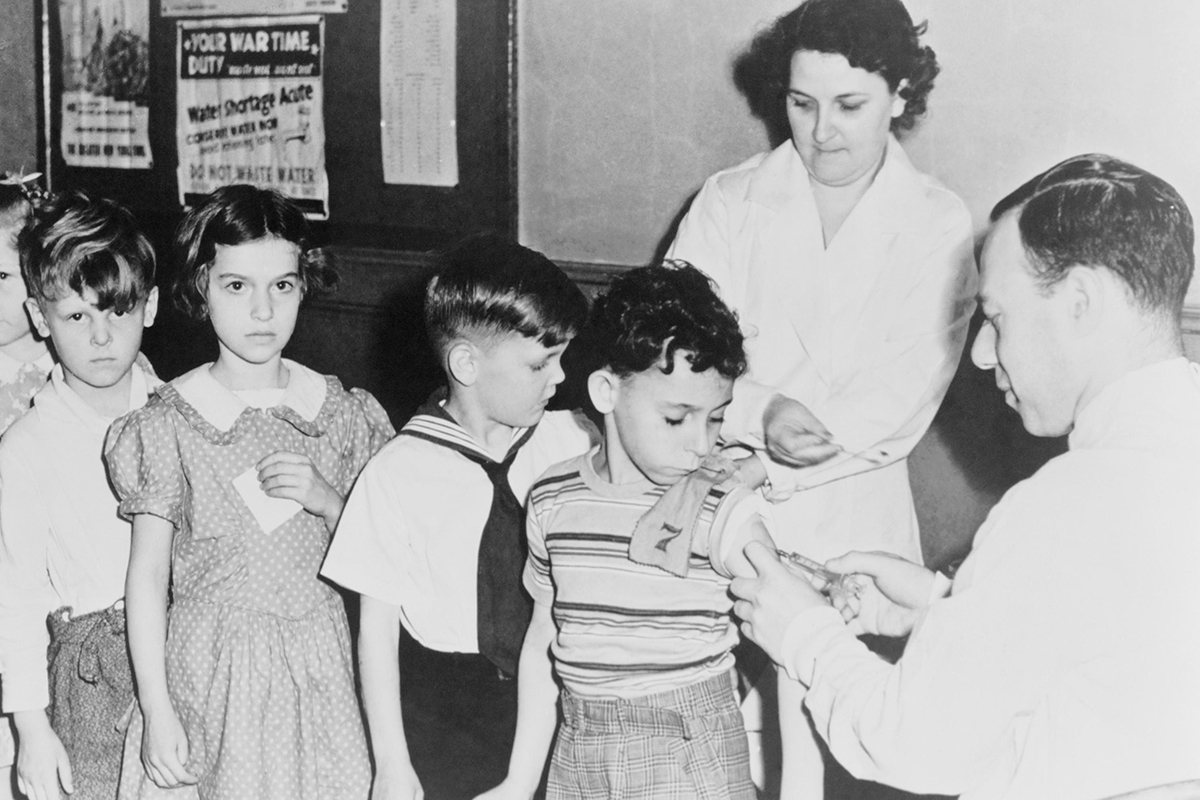
Emory science writer Anthony Van Witsen shares his experience of taking part in Jonas Salk’s 1954 polio vaccine field trials as a second-grader in Brooklyn.

Vaccines have nearly wiped out some deadly diseases and diminished others. But distrust and dwindling support threaten to turn back the clock and put us all at risk—especially our children.

Between 1900 and 1950, infectious diseases were among the top causes of childhood death. That is not the case today, thanks in large part to childhood vaccines. Discover the role vaccines play in keeping children healthy.

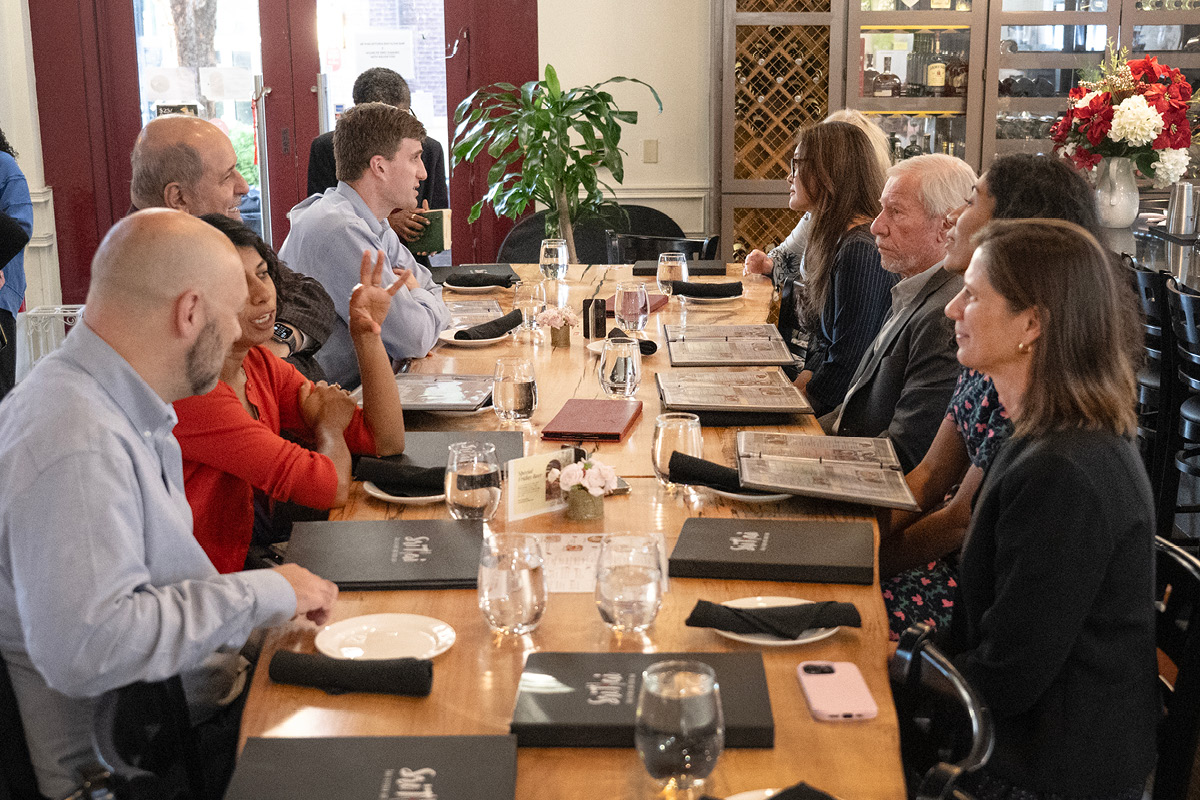
A group of innovators and researchers met up over dinner to discuss the state of research at Emory with two of the university’s most iconic biomedical researchers, Dennis Liotta and Raymond Schinazi.

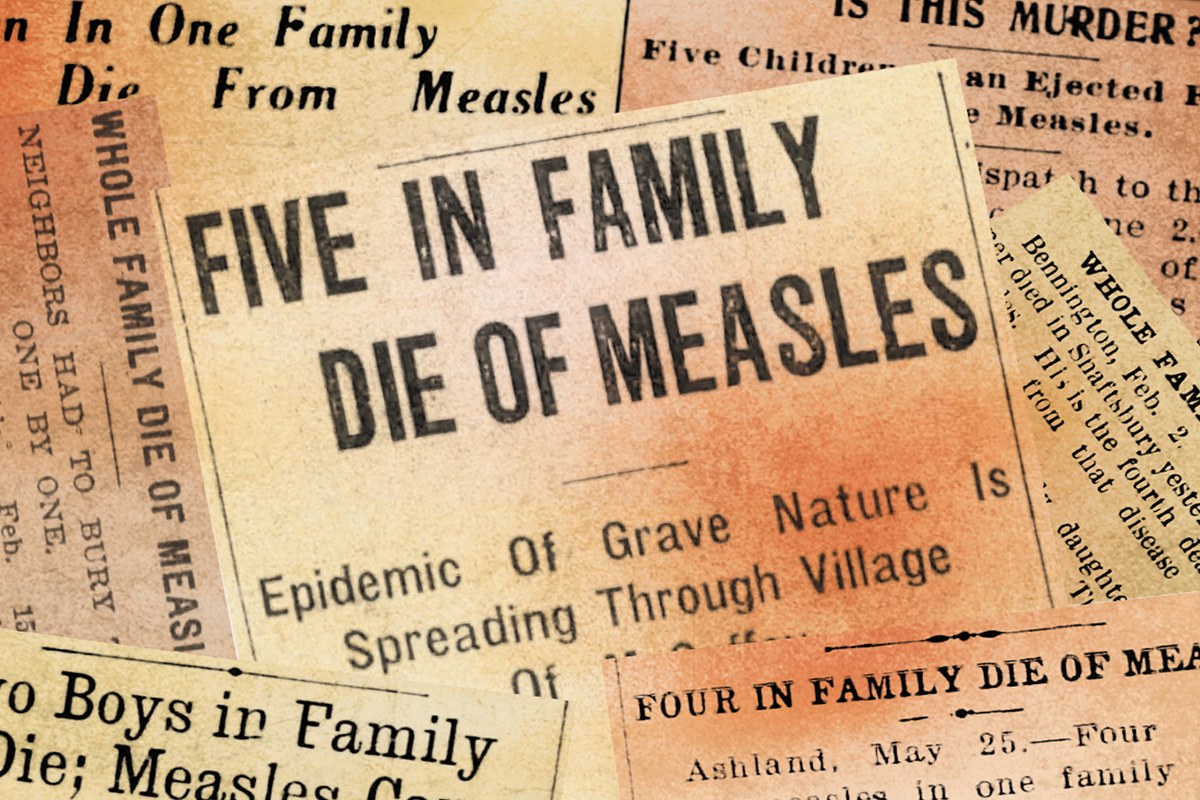
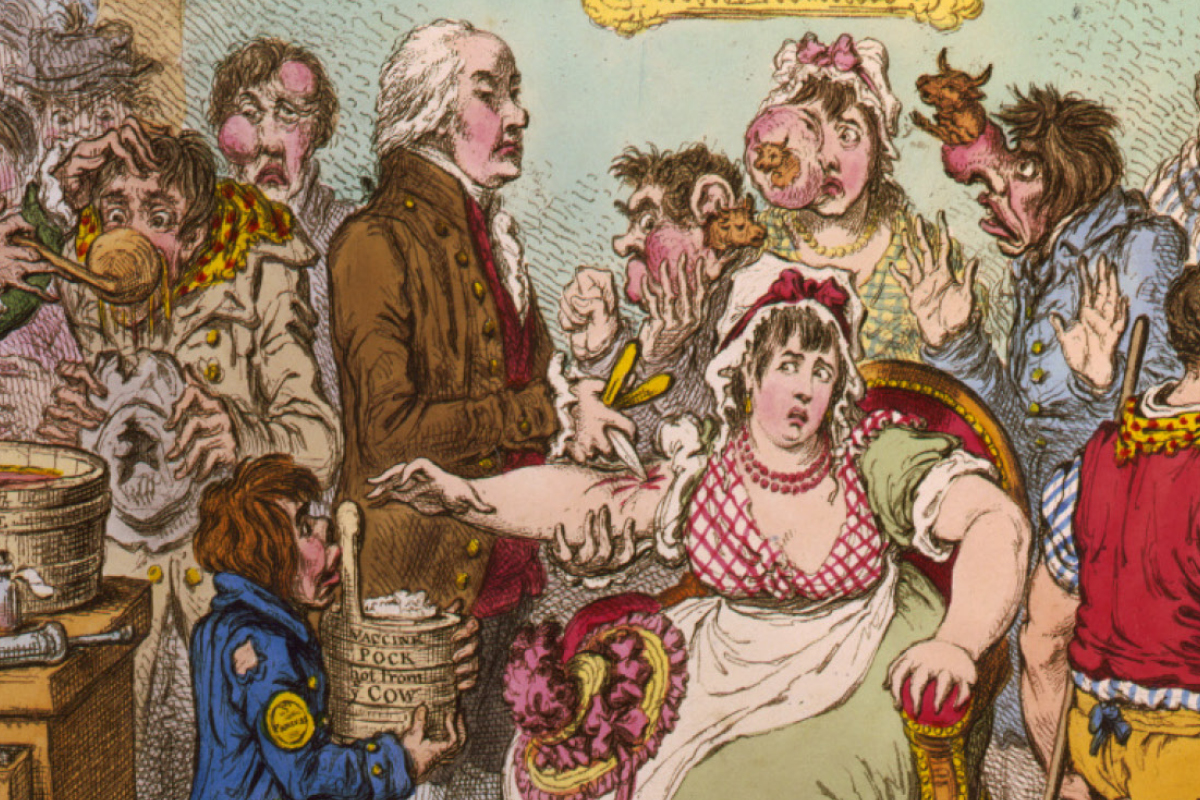
Vaccine hesitancy has been around as long as vaccines themselves. But social media has ramped up the volume.

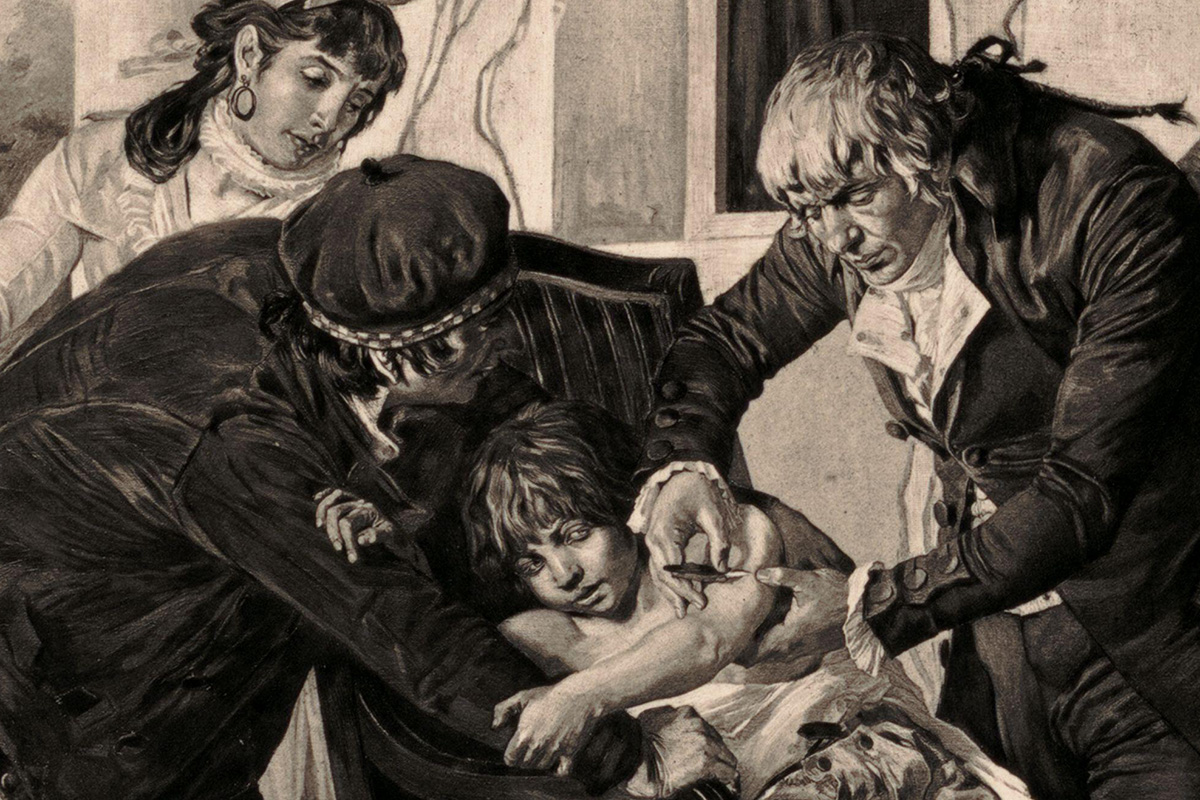
A timeline of historic events in the development and evolution of vaccines and vaccination campaigns.

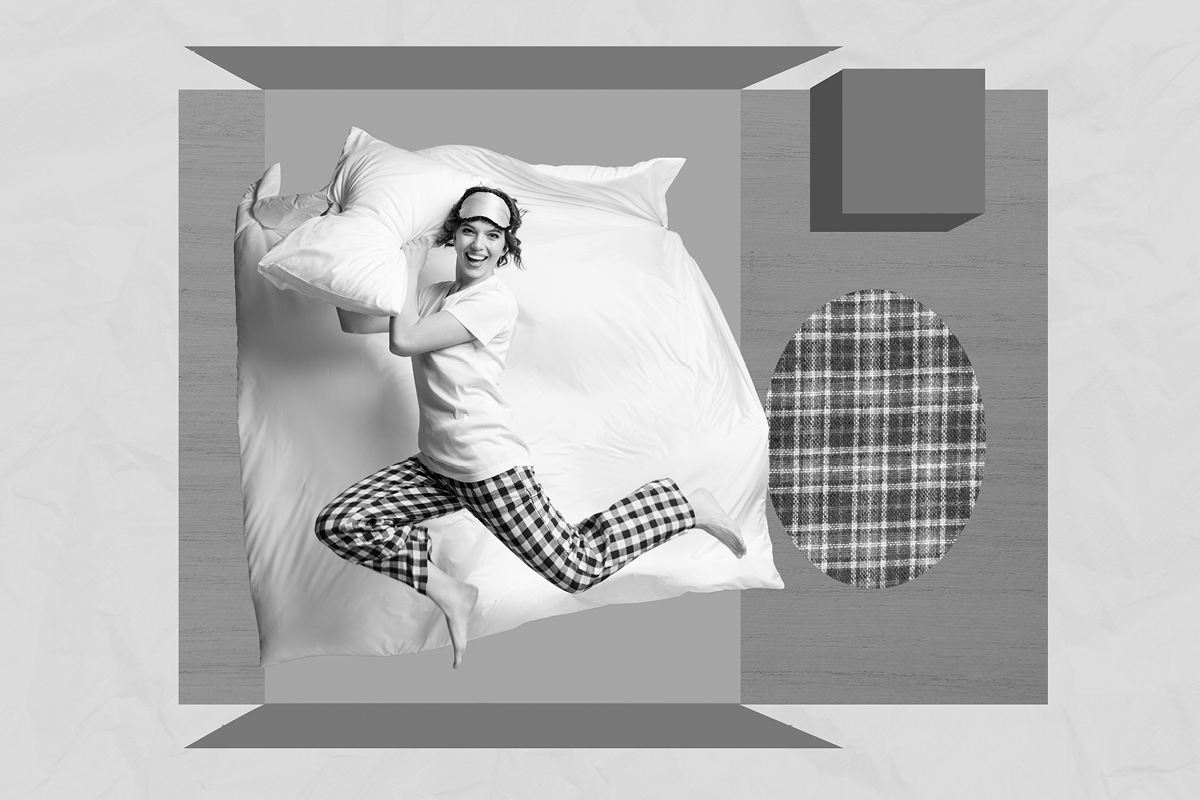
Sleep medicine expert Ann Rogers, professor of nursing, gives tips for work outs that improve sleep. Pro tip: any exercise is better for sleep than none.

Researchers at Emory Goizueta Brain Health Institute and partner institutions have found new clues in the blood that could help explain why Alzheimer’s dis ease develops and how it affects memory.

Hematologist Fuad El Rassi, medical director of the Sickle Cell Research Center at Grady Memorial Hospital, studies sickle cell disease, a rare, genetic blood disorder in which red blood cells become rigid.